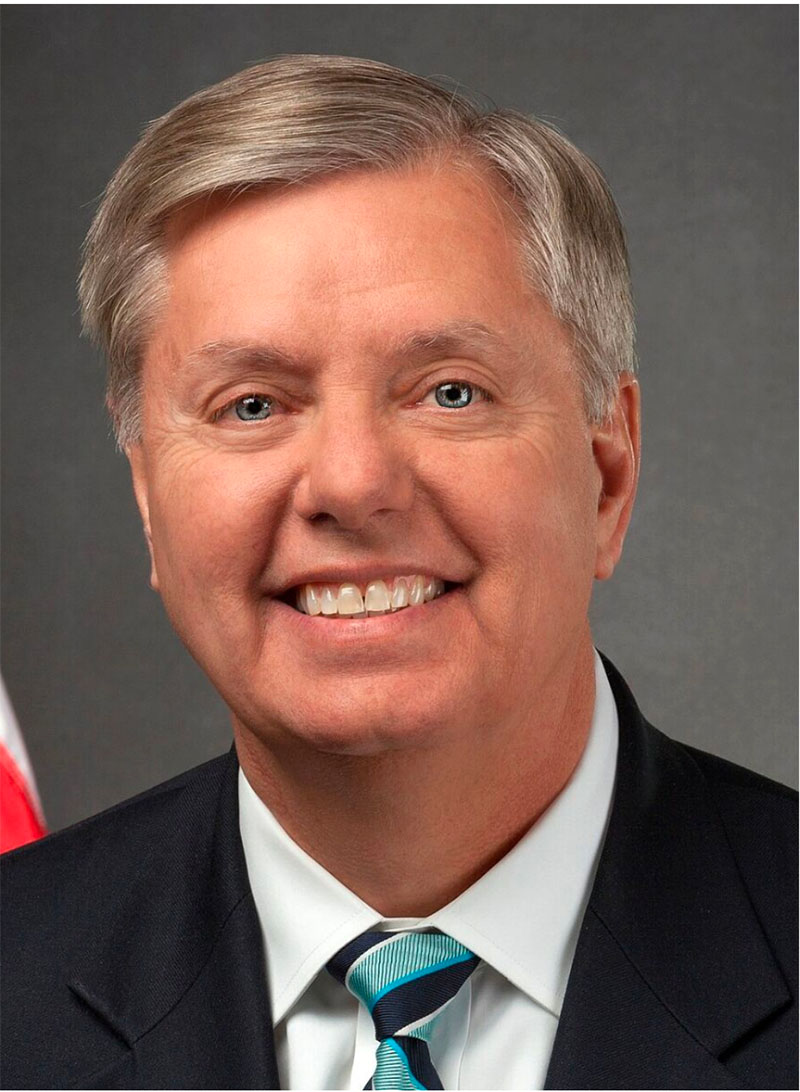
News of Senator Lindsey Graham's sudden death has prompted many people to ask the same question: Could anything have been done differently?
According to current reports, he had been feeling unwell but chose to postpone a medical evaluation because he planned to appear on Meet the Press the following morning. His preliminary cause of death has been reported as an aortic dissection associated with underlying cardiovascular disease.
None of us knows whether immediate medical care would have changed the outcome.
But we do know this:
Too many successful people convince themselves they're simply too busy to stop.
As someone who has spent decades speaking to executives, financial professionals, physicians, dentists, and business owners, I've noticed something interesting. Highly successful people are incredibly disciplined about almost everything.
They monitor sales.
They review investments.
They analyze business risks.
They look at patient flow.
Yet many of those same people have no idea what's happening inside the arteries that are supposed to carry them through another twenty or thirty years of life.
That disconnect has always fascinated me.
Cardiovascular disease remains the leading cause of death in America. Yet it usually doesn't announce its arrival with plenty of warning. In many cases, plaque quietly accumulates over decades. The process is silent. You feel perfectly normal while the disease continues to progress.
That's why I encourage people to stop thinking of heart disease as something that happens "someday."
For many people, someday has already begun.
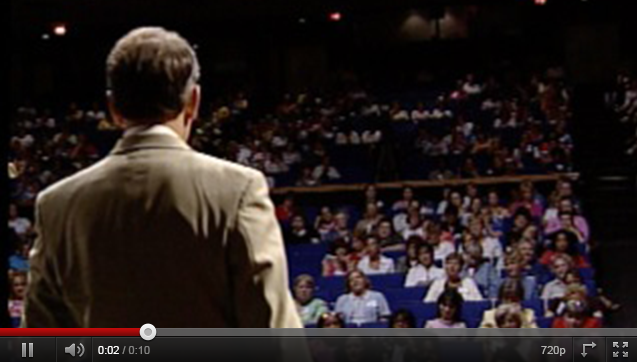
One of the tools I discuss during my speaking programs around the country is the Carotid Intima-Media Thickness (CIMT) test. It is designed to identify evidence of early arterial disease long before symptoms appear.and long before traditional medical tests like a stress test can. That gives you an opportunity to change the trajectory of your health while there's still time.The key word is before.
Because once symptoms begin, your options—and your time—may become dramatically more limited.
I've often told audiences that our bodies don't read our calendars.
Your arteries don't know you're preparing for a board meeting.
Your blood pressure doesn't care that you're trying to close a million-dollar deal.
Your heart isn't impressed by your résumé.
I realize life is busy. I understand deadlines. I've worked with high-performing professionals my entire career.
But here's the uncomfortable truth:
Being too busy to protect your health is like being too busy to put fuel in your airplane.
Eventually, the schedule doesn't matter anymore.
This isn't about living in fear.
It's about living intelligently.
Consider proactive screening that may identify problems before they become emergencies.
My father died from a cardiovascular event at age 56. That experience changed the direction of my life and ultimately my career. Ever since, my mission has been helping people understand that prevention isn't simply about living longer.
It's about making sure you have the health to enjoy everything you've spent your lifetime building.
Success is a wonderful achievement.
But good health is what allows you to enjoy it.
Don't wait for symptoms.
Don't assume feeling okay means everything is okay.
The most important meeting on your calendar may be the one that helps ensure you're still around for all the others.
If Senator Graham had the ability to turn the clock back, I think his priorities would change. Make your health your priority now.